Love the idea of morning tee times, quiet streets, and quick access to Austin? If you are weighing lifestyle and location, The Hills in the Lake Travis corridor offers a compelling mix of golf, community, and convenience. You want space, privacy, and activities without giving up everyday essentials or commute options. In this guide, you will learn what life in The Hills feels like, how the amenities work, what homes and lots look like, and the practical steps to verify fit and costs. Let’s dive in.
Location and access
The Hills sits in the Texas Hill Country near Lake Travis, within a short drive of the Austin metro area. You get a wooded, low‑density feel paired with access to jobs, dining, and major services in nearby hubs like Lakeway, Bee Cave, and western Austin. Many buyers call this a best‑of‑both‑worlds setting. You can enjoy scenic views and larger lots while staying connected to daily conveniences.
Lake Travis adds a lifestyle component that draws many people to the area. Waterfront recreation, marinas, and lakeside dining are close by, and a variety of parks and greenbelts offer hiking and nature time. If you value quiet evenings and clear night skies, the Hill Country backdrop will likely resonate.
Golf and club life
The hallmark of The Hills communities is country‑club living centered on golf. Expect one or more 18‑hole courses with practice facilities, along with a clubhouse environment that can include dining, event spaces, and a pro shop. Many clubs operate fitness centers, swimming pools, and tennis or pickleball courts. You will also find a calendar of social programs for adults and families.
If you want a built‑in social network, this setup can be a strong draw. Clubs often host junior golf, youth camps, and family events that make it easy to meet neighbors and settle in. It helps to preview the event calendar and ask about seasonal programming before you buy.
Membership basics
Membership terms vary by community and club. In some places membership is optional. In others membership or a capital contribution is linked to ownership. Most clubs have initiation fees and monthly or annual dues that are separate from HOA assessments. Always review the membership schedule before making an offer.
To avoid surprises, take these steps:
- Ask for the current membership options, initiation fees, and monthly dues in writing.
- Confirm any waitlists or transfer policies if membership is tied to ownership.
- Review the contract for minimum spend requirements, assessments, and exit terms.
- Verify guest policies and event access so you understand how you will use the club.
Lake and outdoor living
Proximity to Lake Travis unlocks boating, fishing, and water sports. Community‑level access differs by neighborhood, phase, and even by lot. Some properties benefit from deeded easements or community launch points, while many rely on nearby public marinas and ramps. Not every home is lakefront, and not every sub‑neighborhood provides direct access.
If lake time is a priority, confirm lake rights for the exact property. Ask for recorded easements or documentation that shows how you access the water. Beyond the lake, you will find trails, greenbelts, and overlooks that showcase rolling hills, limestone features, and mature oaks. It is a great setting if you enjoy morning walks or weekend hikes.
Homes and lots
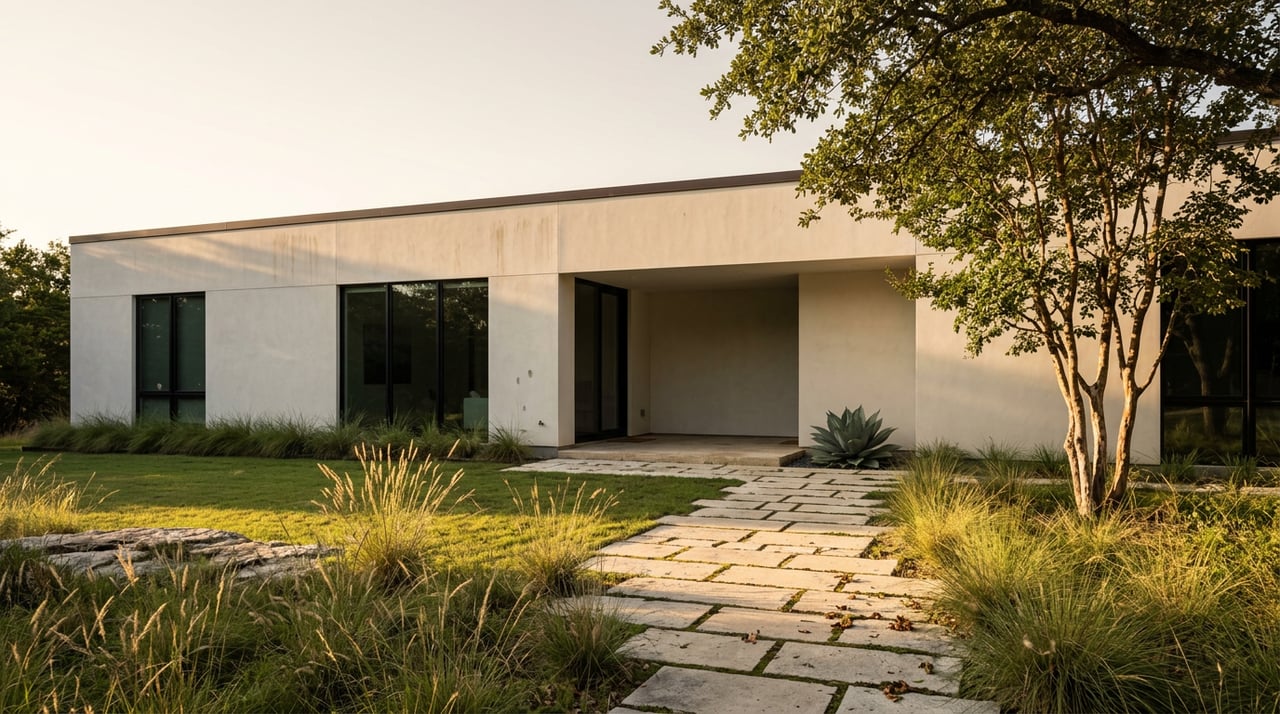
Housing in The Hills ranges from custom luxury estates to low‑maintenance patio‑style homes in certain sections. Lot sizes vary from smaller garden lots to large parcels that prioritize privacy and views. You will see both established sections with mature landscaping and newer phases that reflect modern construction standards.
Many buyers choose The Hills for larger lots, scenic outlooks, and gated streetscapes with consistent landscaping. Architectural guidelines and HOA rules help maintain curb appeal. If you want specific exterior materials or color choices, review the community’s architectural controls early in your search.
Who buys here
Typical buyers include families, move‑up buyers, downsizers seeking a full‑service community, and golf enthusiasts. The area also attracts people who want an amenity‑rich lifestyle rather than raw waterfront ownership. If your priority is a social, club‑oriented environment that is still commutable to Austin, The Hills often stands out.
Schools and services
Most neighborhoods in this corridor are served by Lake Travis Independent School District or nearby districts. Attendance zones depend on the exact address, so verify school assignments and transportation options during your due diligence. Families also explore private and charter options in greater Austin based on their needs.
For daily errands, residents rely on retail and dining in Lakeway, Bee Cave, and western Austin. Pharmacies, groceries, and routine services are close, while specialty shopping and major medical centers are more common toward central Austin. Confirm your property’s fire district, EMS coverage, and the nearest hospital as part of your planning.
Costs to plan for
A luxury, amenity‑rich lifestyle comes with ongoing costs. Build a clear budget that accounts for:
- HOA assessments. Ask what they cover, such as gate operations, common‑area landscaping, and road maintenance.
- Club dues and fees. Membership costs are typically separate from HOA dues. Confirm initiation fees, monthly or annual dues, and any minimums.
- Property taxes. Texas property taxes vary by county and school district. Request current rates for the specific address.
- Insurance. Obtain quotes for homeowner’s insurance and confirm any wind or hail considerations. If your property is waterfront or on a steep slope, ask about coverage requirements or premium differences.
- Utilities and services. Verify water and sewer providers. Some Hill Country homes use community sewer or on‑site septic systems. Confirm capacity, service responsibilities, and inspection records.
- Landscape and tree care. Mature oaks add value and shade but need routine maintenance and disease prevention.
- Site maintenance. Sloped lots can require drainage management, retaining walls, or erosion controls. Ask about past stabilization work.
Due diligence checklist
Smart verification upfront protects your investment and helps you understand how you will use the community. Use this checklist as a starting point:
- Governance and rules
- Request HOA bylaws, CC&Rs, financial statements, reserve studies, meeting minutes, and rules.
- Review gate policies, visitor access, and hours.
- Confirm architectural controls and exterior modification processes.
- Club membership
- Obtain the current membership schedule, initiation fees, dues, and any required contributions.
- Read the contract for assessments, transfer policies, and exit terms.
- Lot and site
- Order a survey and review for easements or utility corridors that affect use.
- Verify any recorded lake easements or community access points if lake access matters to you.
- Check FEMA flood maps for floodplain status.
- Review wildfire risk guidance for home‑hardening and defensible space.
- Inspections
- Schedule a general home inspection and a foundation specialist review if on slab.
- Arrange septic inspection if applicable, plus pest and tree assessments.
- Utilities and services
- Confirm water and sewer providers, electric service, and broadband options.
- Verify school assignments, fire and EMS coverage, and the nearest medical facilities.
- Records and history
- Review county permitting history and check for outstanding code items.
- Ask the HOA about any recent or planned special assessments or major projects.
Commute and daily rhythm
Commute time depends on your exact address and traffic patterns. The best test is to drive your route during peak hours to the places you visit most. Include school drop‑off and pickup if that applies to you. Also ask about gate operations for guests, deliveries, and contractors so your everyday logistics run smoothly.
Clubs and HOAs typically publish a social calendar. Previewing a few events is a simple way to get a feel for community life. If you value a full calendar or prefer a quiet routine, this will help you gauge fit before you commit.
Is The Hills a fit?
If you want a gated, country‑club lifestyle with quick access to Lake Travis and a reasonable reach to Austin, The Hills delivers. You get a social network, curated amenities, and the Hill Country landscape in your backyard. The tradeoffs are higher ongoing costs, HOA and club rules, and a car‑forward daily routine. With clear due diligence, you can decide if the balance suits your lifestyle and budget.
When you are ready to explore homes, request HOA and club details, and walk the neighborhoods at different times of day, reach out to schedule a focused tour. If you are comparing resale, new construction, or lots and acreage, you can get tailored guidance and a clear plan for inspections and contracts. Connect with Kristen Balke to take the next step with a local, full‑service advocate by your side.
FAQs
What does “The Hills” mean in the Lake Travis area?
- It refers to upscale, gated country‑club communities in the Hill Country near Lake Travis that combine golf, private amenities, and a low‑density residential setting.
Are golf club memberships required when buying in The Hills?
- It depends on the specific community and property, so request the club’s membership policy and fee schedule in writing before you make an offer.
Do all homes in The Hills have access to Lake Travis?
- No, lake access varies by neighborhood and lot; ask for recorded easements or community access documentation if lake use is important to you.
Which schools serve homes in The Hills near Lake Travis?
- Many neighborhoods are served by Lake Travis ISD or nearby districts; verify attendance zones and transportation details for the exact property address.
What utilities and septic factors should I check in The Hills?
- Confirm water and sewer providers, broadband options, and whether the home uses community sewer or on‑site septic, then review capacity, maintenance, and inspection history.
How should I evaluate commute times from The Hills to Austin?
- Drive your route during peak hours to your regular destinations, including school runs if relevant, to compare real‑world travel times from a specific address.
What inspections are recommended for Hill Country homes in The Hills?
- Schedule a general home inspection, foundation review for slab homes, septic inspection if applicable, pest assessment, and a tree or landscape evaluation.