If you are getting ready to sell in Lakeway, one question matters more than almost any other: How do you price your home well enough to attract serious buyers without leaving money on the table? That can feel especially tricky in a market where online estimates, active listings, and recent sales do not always tell the same story. The good news is that with the right pricing strategy and a smart prep plan, you can move forward with clarity and confidence. Let’s dive in.
Lakeway pricing needs a local lens
Lakeway is not a one-size-fits-all market. The city draws buyers who want access to lake living, parks, recreation, and the broader Lake Travis lifestyle, and the city notes that families, empty nesters, and young professionals are all part of that mix. That creates broad demand, but it does not mean every home will perform the same way.
Current numbers show why sellers need context. Zillow reports an average home value of $741,100 in Lakeway, with a median list price of $807,983 and 206 homes in for-sale inventory. Realtor.com shows a median listing price of $850,000, 338 homes for sale, and 47 median days on market, while Redfin’s March 2026 sold snapshot shows a median sale price of $677,500 and 83 median days on market.
Those figures are not necessarily conflicting. They measure different slices of the market, including active listings, sold homes, and different timeframes. For you as a seller, the takeaway is simple: citywide averages are useful background, but your list price should be built from neighborhood-level comps and recent sold data that closely match your home.
Why neighborhood comps matter in Lakeway
Pricing in Lakeway can shift noticeably from one pocket to another. Realtor.com’s zip-level data shows 78734 at a median listing price of $752,500 with 58 days on market, while 78738 sits at $949,475 with 39 days on market. Neighborhood-level examples show even more spread, with Round Mountain at a median of $2.03 million and 159 days on market, compared with Flintrock at Hurst Creek at $1.27 million and 33 days on market.
That kind of variation matters when you are deciding where to price. If your home is compared too loosely to the broader city instead of similar homes in your area, you can miss the mark. A strong pricing strategy should look at your neighborhood, your home’s size and condition, your lot, your updates, and the buyer expectations in your specific price band.
Why your online estimate may not match an agent’s price
Many sellers start with an online value estimate, and that makes sense. It is quick, easy, and gives you a starting point. But in a market like Lakeway, automated values can struggle to account for the details that influence buyer behavior.
For example, a home with a refreshed interior, stronger outdoor living spaces, or a more desirable position within a neighborhood may compete very differently than a similar-sized home nearby. On the flip side, a home with dated finishes or needed repairs may need a more conservative strategy. A local pricing analysis should interpret the data, not just repeat it.
Pricing too high can cost you time
It is tempting to price high and “leave room to negotiate,” especially if you are hoping to maximize your sale. But today’s Texas market is giving sellers a reminder that buyers are price-aware. Texas Real Estate Research Center data shows homes in Texas averaged 82 days on market in February 2026, with a median seller price cut of $16,900, and Austin saw annual price declines in the 2% to 3% range with a median closed-sale price cut of $30,000 in February.
In practical terms, overpricing can lead to a stale listing, fewer strong showings, and later price reductions that weaken momentum. Buyers tend to notice when a home lingers. A more confident approach is to price based on what the market is actually rewarding now, not what sellers were getting in a different season.
Timing helps, but preparation matters more
Many homeowners ask if they should wait for the “best” week to list. Realtor.com’s 2026 Best Time to Sell analysis points to mid-April as a historically strong window for higher prices, more views, less competition, and faster sales nationwide. That can be helpful context, especially as inventory tends to build into the spring market.
Still, timing alone will not carry a listing. In Lakeway, where homes can vary widely by neighborhood and price point, a well-prepared and well-priced home often matters more than trying to perfectly time the market. If your home is ready and your strategy is sound, you may not gain much by waiting.
Start with the repairs buyers will notice
Before you think about decor or staging, focus on obvious issues that can distract buyers. Small defects often create a bigger impression than sellers expect because they raise questions about overall maintenance. If a buyer notices a leak, broken hardware, or visible wear, they may assume there are larger problems behind the scenes.
A practical first-round checklist includes:
- Repair leaks
- Fix broken fixtures
- Replace dead bulbs
- Refresh worn caulk
- Address obvious damage or deferred maintenance
If your home is older or you already know there may be system concerns, a pre-listing inspection may help you get ahead of surprises. The Texas Real Estate Commission says Texas inspectors must follow Standards of Practice and provide standardized reports that describe the home’s general condition and important safety concerns. That can help you make informed repair decisions before a buyer is involved.
Focus your budget on visible improvements
You do not need to renovate everything before listing. In most cases, smart, modest-cost updates make more impact than large projects. Buyers respond to clean, bright, well-maintained spaces that feel easy to move into.
A strong next layer of prep often includes:
- Fresh paint where needed
- Updated or brighter lighting
- Full decluttering
- Deep cleaning
- Fresh towels and bedding
- Cleared counters and simplified surfaces
- Closets that feel organized, not overstuffed
NAR consumer guidance also recommends depersonalizing, removing bulky furniture where needed, neutralizing bold finishes when appropriate, and opening blinds and turning on lights before showings. These steps help buyers focus on the home itself instead of your personal style or visual distractions.
In Lakeway, curb appeal carries extra weight
Outdoor presentation matters in every market, but it has special importance in Lakeway. The city’s appeal is closely tied to outdoor living, recreation, and the surrounding Hill Country and lake lifestyle. That means buyers are likely to notice your exterior spaces as part of the home’s overall value story.
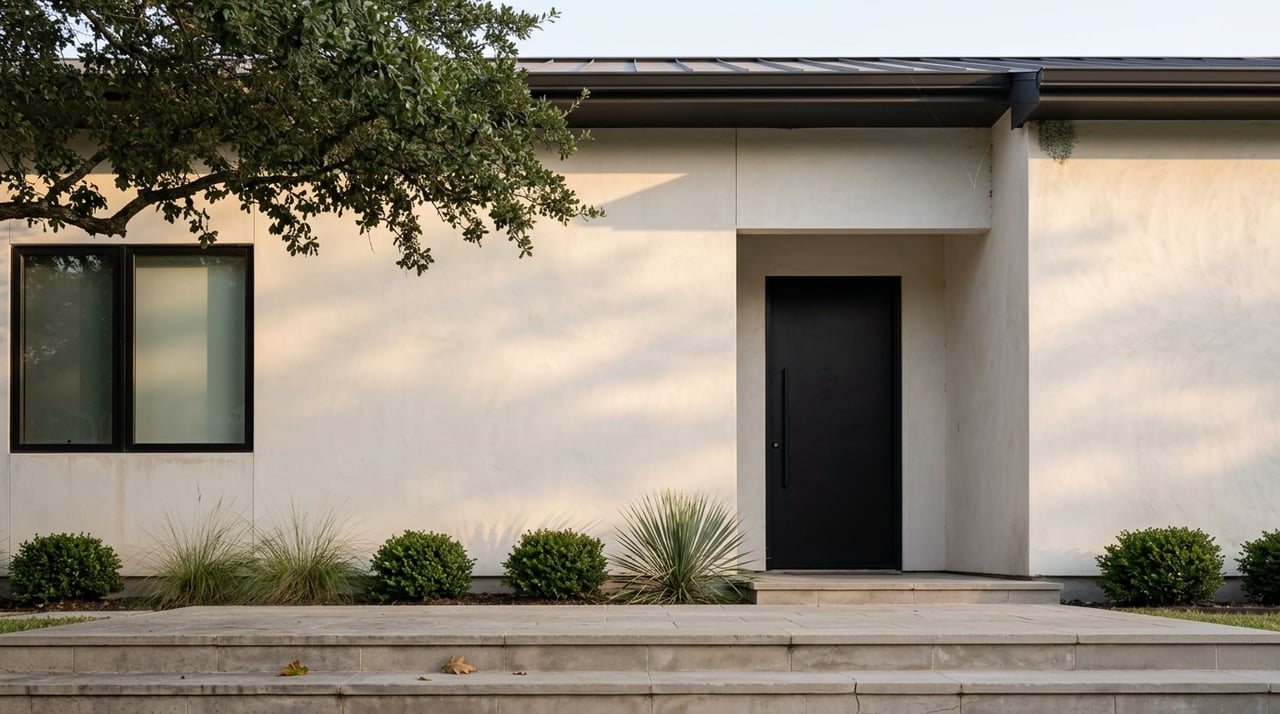
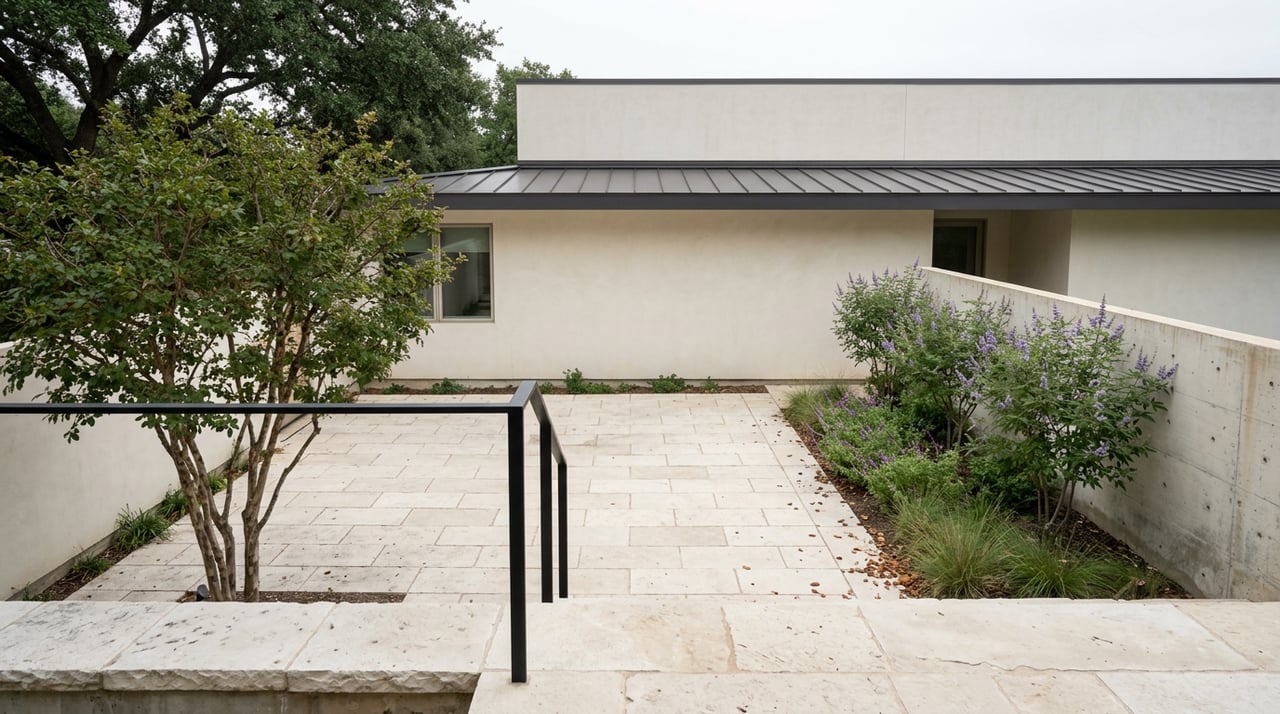
Simple outdoor improvements can make a meaningful difference. Consider pressure washing, refreshing mulch, tidying landscaping, cleaning patios and porches, checking outdoor lighting, and making the front entry feel welcoming. If you have usable outdoor living space, make sure it reads clearly in person and in photos.
Do you need staging or just decluttering?
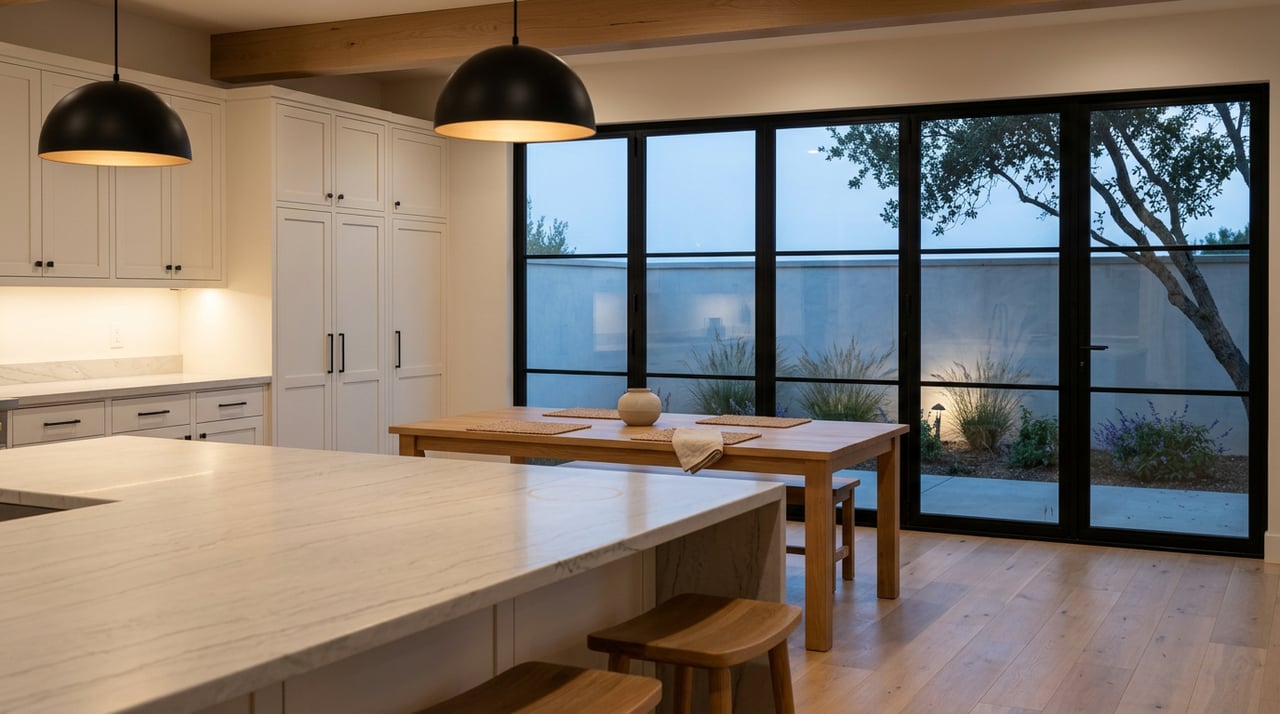
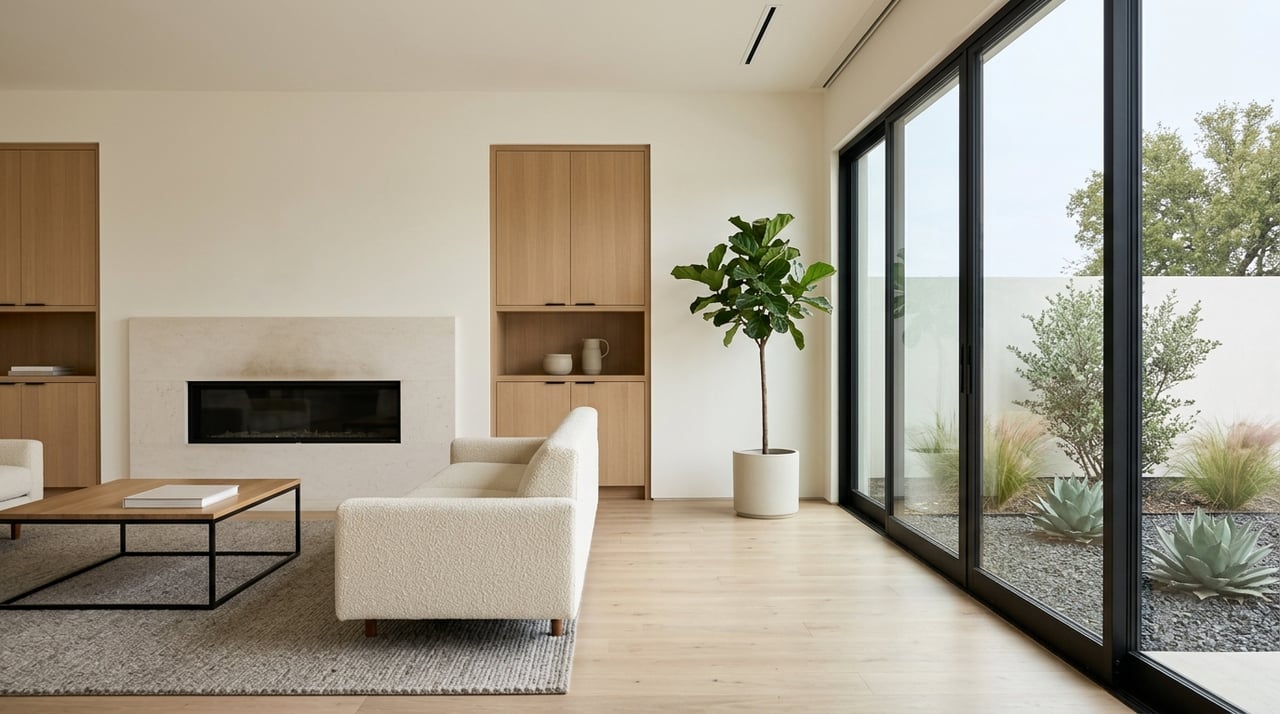
Not every home needs full professional staging. Many occupied homes can benefit most from decluttering, furniture editing, and thoughtful styling using what you already have. The goal is to make rooms feel open, functional, and easy to understand.
That said, staging can be especially helpful for vacant homes or awkward spaces. NAR’s 2025 staging report found that 29% of agents saw staged homes receive 1% to 10% more value, and 49% saw faster sales. It also found that 83% of buyers’ agents said staging made it easier for buyers to envision the property as a future home.
The rooms most often staged were:
- Living room
- Primary bedroom
- Dining room
- Kitchen
If your home is vacant, lightly staged, or has a hard-to-read layout, some level of staging may be worth considering. NAR also notes that empty homes can feel smaller and less inviting. If virtual staging is used in marketing photos and materially alters the property, it should be disclosed.
What a confident pricing plan should include
A solid pricing strategy is more than choosing a number that sounds reasonable. It should connect market evidence, your home’s condition, and buyer expectations in a way that supports both interest and negotiation strength. In a pocket-driven market like Lakeway, that level of precision matters.
Your pricing plan should include:
- Recent sold comps in your neighborhood or a closely related area
- Active competition in your price band
- Your home’s condition and prep level
- A realistic days-on-market expectation
- A plan for adjustments if the market response is softer than expected
This is where experience really matters. You want someone who can explain not just the recommended list price, but also the strategy behind it and how it supports your goals.
Questions to ask before hiring a listing agent
Choosing the right listing agent can shape your entire experience. NAR’s seller-agent guidance recommends asking about local market knowledge, how the list price was determined, what services are included, how the home will be marketed, how buyers will be attracted and vetted, and whether references are available. In Lakeway, those questions become even more important because one neighborhood may behave very differently from another.
When you interview an agent, listen for specific answers about:
- Recent Lakeway comps in your neighborhood and price range
- A clear plan for photos, video, staging, and online exposure
- A realistic timeline for showings and days on market
- How often you will receive updates
- Examples of how they handled pricing objections or prep decisions with past clients
You should also expect clear communication about the listing agreement, the services being provided, and compensation terms. The right fit should leave you feeling informed, not pressured.
Sell with more confidence, not more guesswork
Selling your Lakeway home does not require perfection. It requires a strategy that reflects the market you are in, the neighborhood you are in, and the condition your buyers will actually see. When price, preparation, and presentation all support each other, your home has a much better chance to stand out for the right reasons.
If you want clear guidance on how to price and prepare your Lakeway home, Kristen Balke offers local insight, thoughtful planning, and hands-on support to help you move forward with confidence.
FAQs
How should I price my Lakeway home before listing?
- The strongest approach is to use recent sold comps, current competition, and neighborhood-specific data rather than relying on citywide averages or online estimates alone.
What home updates matter most before selling in Lakeway?
- Start with repairs buyers will notice, then focus on visible improvements like paint, lighting, decluttering, deep cleaning, and outdoor presentation.
Does staging help when selling a Lakeway home?
- Staging can help, especially for vacant homes or rooms with unclear function, but many occupied homes benefit first from decluttering, furniture editing, and clean, bright presentation.
Is spring the best time to sell a Lakeway home?
- Spring can offer advantages, and mid-April has historically been a strong selling window, but pricing and preparation usually matter more than trying to time the market perfectly.
Why is an agent’s pricing opinion different from an online home value?
- Online estimates use broad data models, while a local agent can account for condition, updates, neighborhood differences, lot features, and buyer expectations in your specific part of Lakeway.