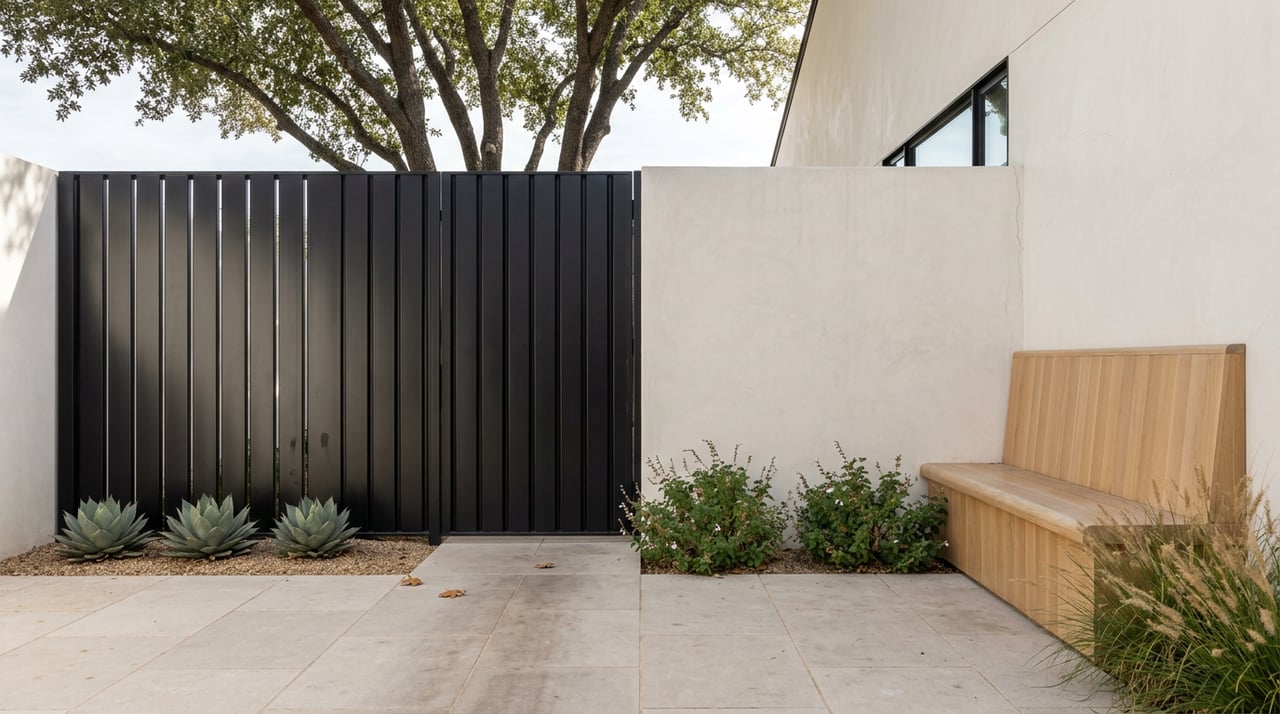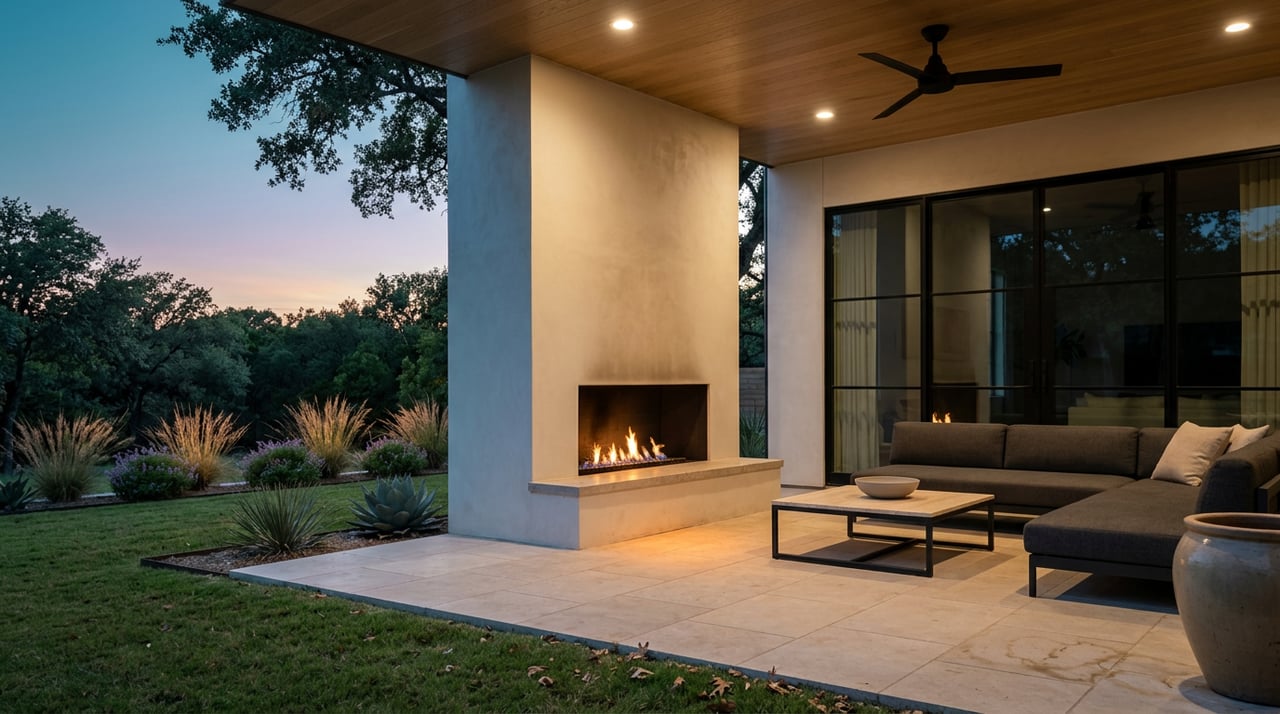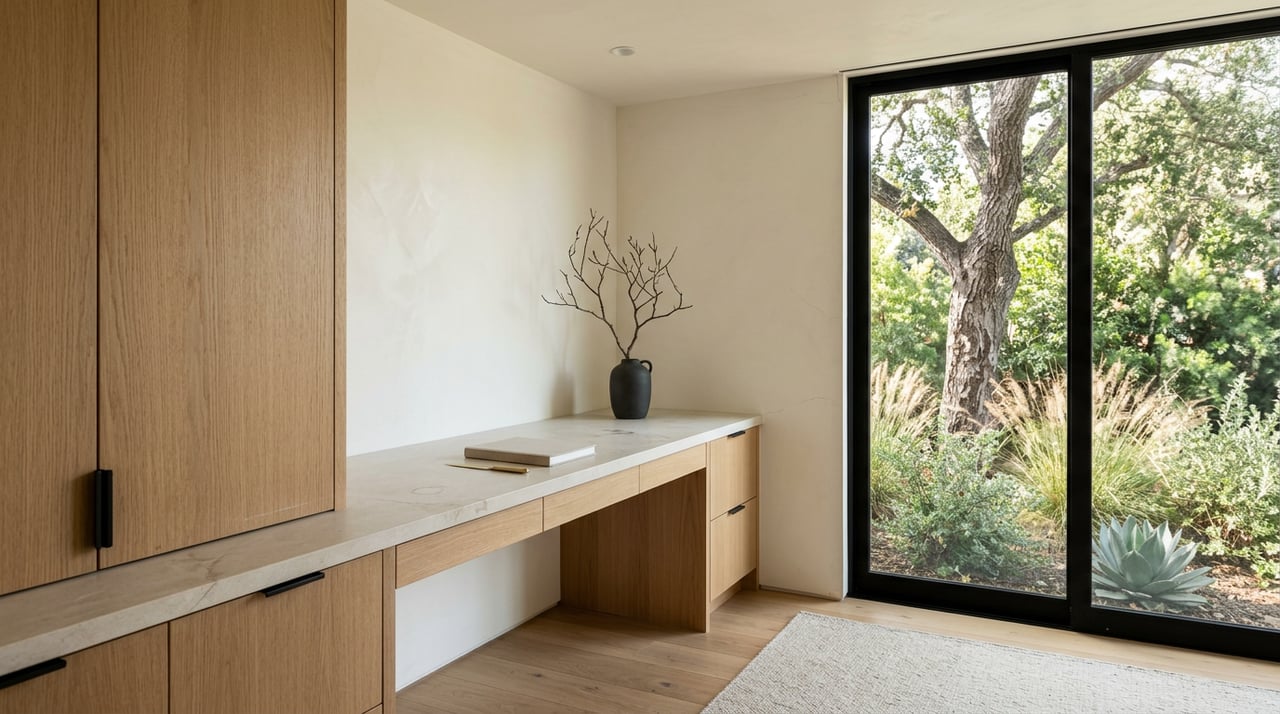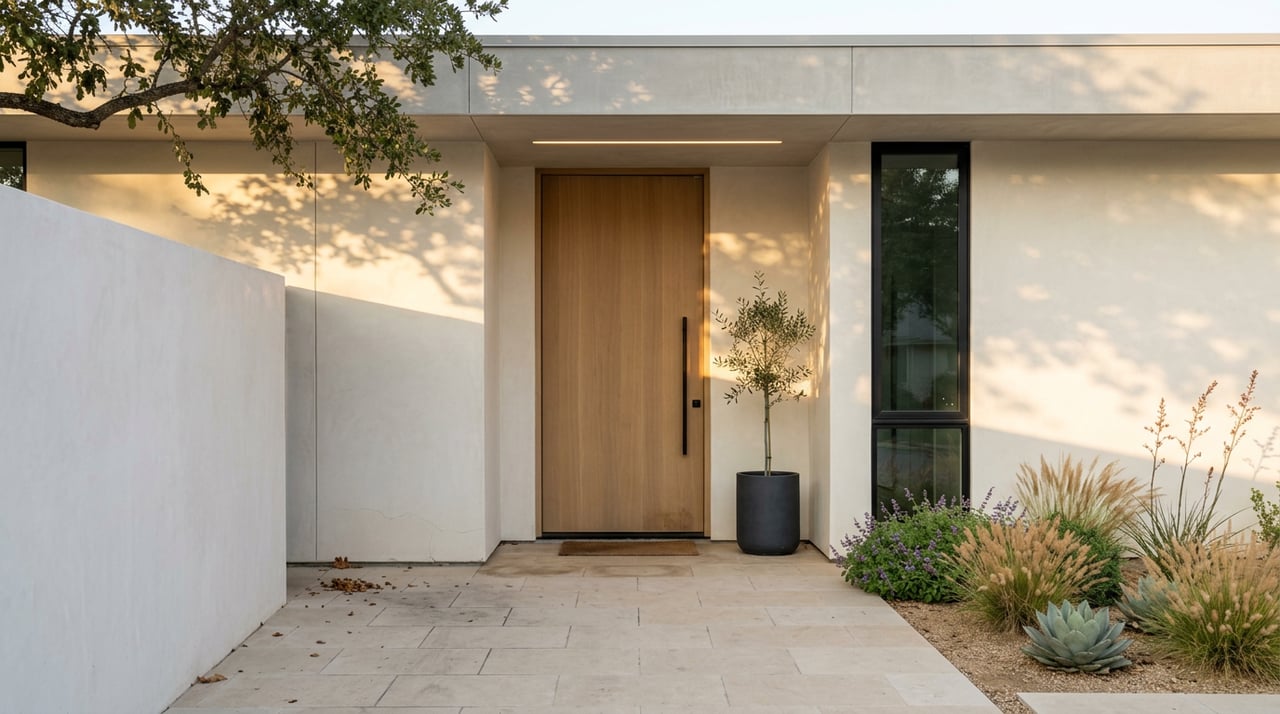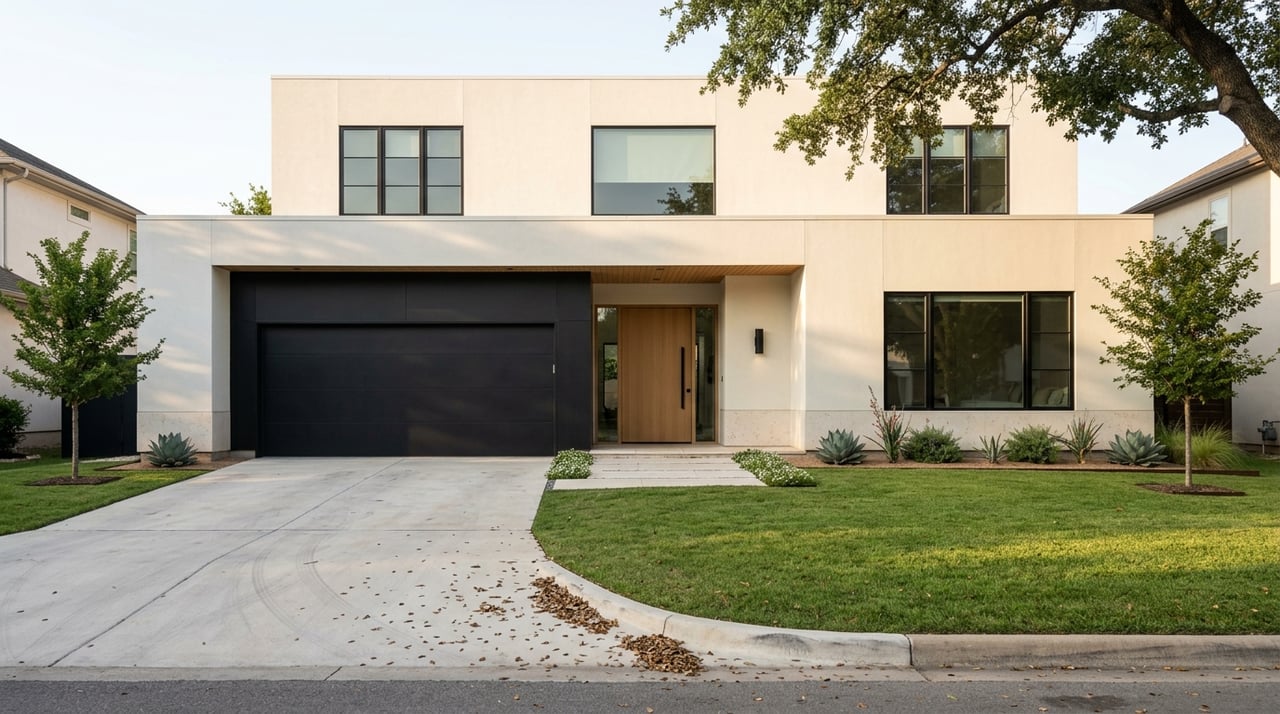
Wondering what it actually feels like to live in Bee Cave day to day? If you are looking for a place that gives you Hill Country scenery, practical daily convenience, and reasonable access to Austin, Bee Cave stands out for a reason. From morning coffee runs and park time to errands, dining, and weekend lake plans, here is what daily life in Bee Cave really looks like. Let’s dive in.
Bee Cave at a glance
Bee Cave is a compact city in the Hill Country with a surprisingly strong lineup of everyday amenities. The city highlights a population of 9,144, along with 157 retail shops, 74 restaurants, and 11 miles of completed trails. That mix gives you more day-to-day convenience than you might expect from a smaller community.
It also has a distinct identity that shapes how the city feels. Bee Cave is recognized as a Bee City USA Affiliate, an International Dark Sky Community, and a Platinum Certified Scenic City. In practical terms, that helps explain why many people experience Bee Cave as scenic, quieter, and more connected to its natural setting.
Getting around Bee Cave
For many buyers, one of the first questions is how Bee Cave fits into the bigger Austin area. The city says it is centrally located between SH 71, RM 620, and Bee Caves Road, and Austin is about 14.1 miles away. That makes Bee Cave a realistic home base for people who want proximity to Austin without living in the middle of the city.
At the same time, it helps to go in with clear expectations. City planning materials note that growth has added pressure to the main highways, and new road connections are being studied to reduce dependence on heavily traveled state roads. So while Bee Cave is well placed, daily driving patterns can still depend a lot on timing and route.
Trails add local connection
Within town, trails play an important role in everyday movement. The Bee Cave Hike and Bike Trail connects Falconhead Boulevard to Central Park and the Galleria, which can make short local trips feel easier and more enjoyable in certain areas. That is especially valuable in a city where neighborhoods are otherwise connected mainly by arterial and collector roads.
Central Park and Primitive Park also add more options for walking and biking. For some residents, that means your routine may include a trail walk before work, an evening stroll, or a bike ride that does not require getting in the car.
Lake Travis is close by
If you like having outdoor recreation close to home, Bee Cave benefits from its location near Lake Travis. Official tourism information says the city is only about 20 minutes from the lake. That gives your weekends a different rhythm, especially if you enjoy time on the water or nearby outdoor attractions.
Errands are easy here
One of the biggest lifestyle advantages of living in Bee Cave is how many errands can happen in one area. The Hill Country Galleria serves as the city’s everyday commercial anchor, and it is more than just a shopping center. It is also a hub for dining, civic events, and public spaces that shape how people use the city day to day.
Because the Bee Cave Public Library is located in the Galleria district and the city also uses the area for community programming, you often see daily life overlap here. You might run errands, grab coffee, stop by the library, and meet friends for dinner without driving all over town.
Shopping and dining in one place
Visitor information shows a broad mix of practical stops and restaurant options in Bee Cave. Examples in the Galleria area include Whole Foods Market, Maple Street Biscuit Company, Runaway Luna Coffeehouse, Meridian 98, and Woody’s Tavern & Grill. The bigger takeaway is that Bee Cave supports both convenience and variety in a relatively compact footprint.
That matters if you want a suburb that does not feel overly spread out in your daily routine. Instead of planning an entire afternoon around simple errands, you can often keep things efficient and close to home.
Parks shape daily life
For a city of its size, Bee Cave has a park system that plays a real role in everyday living. Official city park listings include Bee Cave Central Park, Bee Cave Sculpture Park, Bee Cave/Falconhead West Primitive Park, the Bee Cave Dog Park, and the Old Bee Cave School House. These spaces give the city a more outdoors-forward rhythm than you might expect.
Bee Cave Central Park is a 50-acre park with pavilions, playscapes, restrooms, and a dog park. That makes it a practical spot for routine use, not just occasional visits. Whether you are meeting friends, taking kids to the playscape, or fitting in time outside with your dog, it is one of the places that helps structure daily life.
Sculpture Park adds a quieter option
Bee Cave Sculpture Park offers a different kind of outdoor experience. The park includes a spring-fed pond, mature oak trees, and native plantings, blending art and nature in one setting. If you want a peaceful walk or a scenic break in the middle of the day, this is part of what gives Bee Cave its local character.
Community events keep things active
City events also help Bee Cave feel connected on a local scale. The city calendar includes programming such as Yoga in the Park and a cornhole tournament, while seasonal and annual events have included Bee Cave on Ice, Books and Bees Festival, and National Honey Bee Day. That kind of programming adds another layer to daily life beyond home and work.
The library is part of the routine
In some communities, the public library feels separate from everyday activity. In Bee Cave, the library sits right in the Hill Country Galleria at 4000 Galleria Parkway, which makes it much easier to work into your week. It offers year-round programs, books, and digital resources to the public.
That central location gives the library a stronger community-center feel. It can be part of a normal afternoon out rather than a special trip across town, which is one reason Bee Cave often feels convenient in a practical, lived-in way.
What neighborhoods feel like
Bee Cave is not defined by one single master neighborhood. The city lists a number of HOA-based communities within the city limits, including Falconhead, The Grove, Ladera, Homestead, Meadow Fox, Uplands, Wildwood in Bee Cave, Canyonside, Lakes Edge, Cottages at Spillman Ridge, Signal Hill, Creeks Edge, East Village, and Twin Acres. Nearby areas also include Lake Pointe and Spanish Oaks.
That means your experience of Bee Cave can vary depending on where you live. Some areas feel more established and residential, while others are closer to mixed-use activity around the Galleria and Town Center. If you are choosing between neighborhoods, it is worth thinking carefully about whether you want a more tucked-away setting or easier access to shopping, trails, and events.
Mostly single-family, with some mixed-use pockets
Bee Cave’s comprehensive plan shows that 93 percent of developed residential land is used for single-family units, while 7 percent is used for multi-family units. That supports the general feel many buyers notice right away: Bee Cave is still primarily a single-family market.
At the same time, the city’s future land-use framework includes a wider mix of housing types near Town Center and the Hill Country Galleria. Those include patio homes, townhouses, attached multifamily, and apartment or detached-townhouse options in mixed-use areas. So while the overall feel is suburban and single-family, there are some pockets with a more connected, convenience-driven layout.
What a typical day can look like
Daily life in Bee Cave often feels like a blend of suburban routine and Hill Country breathing room. You may start the day with a coffee stop, head to Austin or another nearby area for work, and still be back in time for an evening walk on the trail or a stop at Central Park. On weekends, the pace can shift toward the library, local dining, city events, or a short drive to Lake Travis.
That balance is a big part of Bee Cave’s appeal. You get access to shops, restaurants, parks, and community spaces in a small city setting, while still keeping close ties to the larger Austin area.
Who Bee Cave tends to fit best
Bee Cave can be a strong match if you want a mostly single-family Hill Country setting with everyday amenities nearby. It may also appeal to buyers who want a community that feels more scenic and less urban, but still want practical access to retail, dining, trails, and Austin-area destinations.
If your priorities include neighborhood variety, outdoor spaces, and a daily routine that does not always require leaving town for basics, Bee Cave offers a compelling mix. The key is finding the right area and home style for how you want to live.
If you are thinking about buying or selling in Bee Cave, working with someone who understands the neighborhood patterns, housing mix, and day-to-day lifestyle can make the process much easier. For local guidance tailored to the Lake Travis corridor, connect with Kristen Balke.
FAQs
What is daily life like in Bee Cave, Texas?
- Daily life in Bee Cave often centers around a mix of Hill Country scenery, practical errands near the Hill Country Galleria, local parks, trail access, community events, and convenient access to Austin and Lake Travis.
Is Bee Cave, Texas close to Austin?
- Yes. The city says Austin is about 14.1 miles away, which makes Bee Cave a practical option for people who want to stay connected to Austin while living in a smaller Hill Country community.
What kinds of amenities are in Bee Cave?
- According to the city, Bee Cave has 157 retail shops, 74 restaurants, 11 miles of completed trails, multiple parks, and a public library located in the Galleria district.
What outdoor activities are available in Bee Cave?
- Bee Cave offers trails, Central Park, Sculpture Park, Primitive Park, a dog park, and community events such as Yoga in the Park. The city is also about 20 minutes from Lake Travis.
What types of homes are common in Bee Cave?
- Bee Cave is mostly a single-family housing market. The city’s comprehensive plan says 93 percent of developed residential land is single-family, with smaller pockets of multi-family and mixed-use housing near Town Center and the Hill Country Galleria.
Are there different neighborhoods in Bee Cave, Texas?
- Yes. Bee Cave includes multiple HOA-based communities, such as Falconhead, The Grove, Ladera, Homestead, Uplands, Wildwood in Bee Cave, East Village, and others, so the feel can vary depending on location within the city.