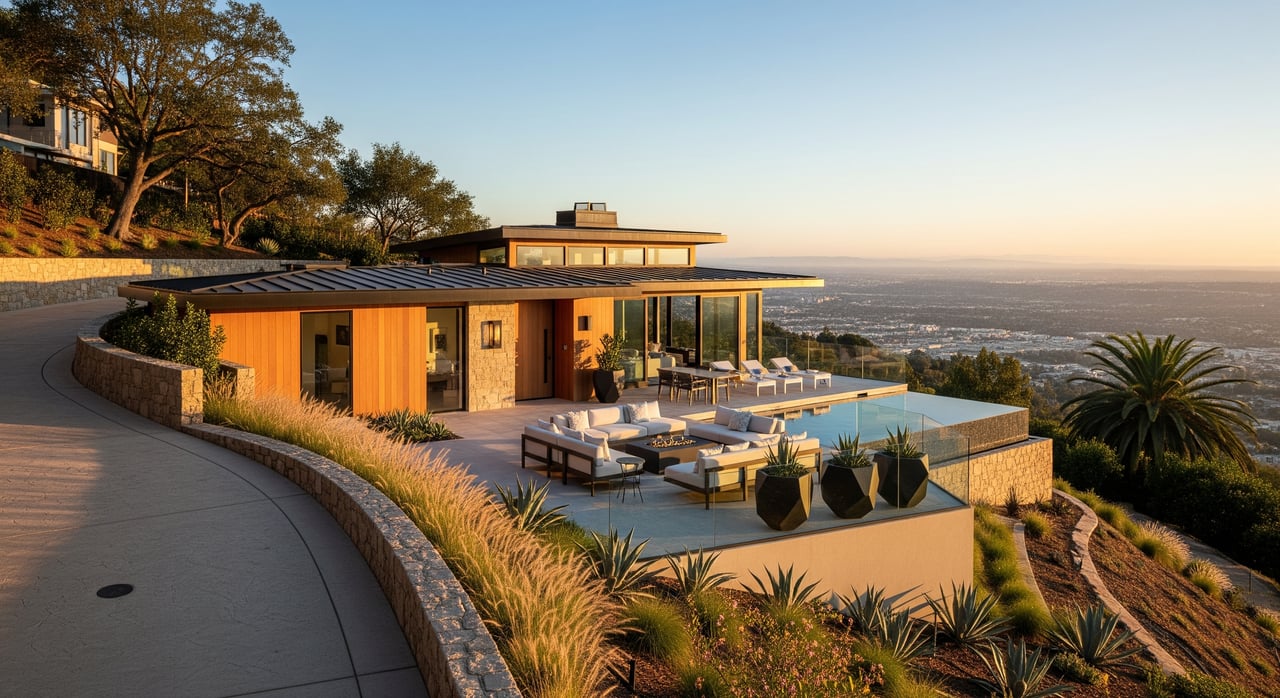
Thinking about selling your home in The Hills this spring? You are not alone. Spring is when buyers are most active and when outdoor living spaces, views, and club amenities show their best. If you want a faster sale and stronger offers, the right timing, pricing, and prep will make a measurable difference.
This guide gives you a clear, step-by-step plan tailored to The Hills. You will learn how to pick the best list date, price for amenities and privacy, prepare your home, and handle HOA and club details that shape buyer decisions. Let’s dive in.
Why spring is your moment
Spring is historically the peak selling season in many suburban and amenity-focused communities. In The Hills, warmer weather and leaf-out help patios, landscaping, and golf or club proximity shine. Showings often pick up, and buyers respond to well-presented outdoor spaces.
To confirm the best timing locally, review the last two to three years of monthly sales and days on market for The Hills. Look for patterns in absorption rates and price trends leading into spring. These checks help you anchor your launch to real demand.
Timing steps 8–12 weeks out
Start planning two to three months before your target list date. This gives you time for inspection, repairs, landscaping, staging, and professional photography that highlights indoor-outdoor living. Build in time to request HOA and club documents so buyers get clear answers early.
Pricing for amenities and privacy
Amenities influence value in The Hills, but details matter. Club reputation, whether membership is mandatory or optional, and the level of dues all affect what buyers will pay. Buyers often adjust their offers for ongoing costs, including initiation fees and assessments.
Gather the right pricing inputs before you set a number:
- Recent sales that match your lot type and views, such as golf-front, hillside, or interior.
- Active and pending listings that show your current competition.
- HOA dues, any announced assessments, and capital projects.
- Club membership terms, transfer rules, and initiation fees.
Make clear adjustments when you compare comps:
- Upward for direct golf-front, panoramic views, significant outdoor upgrades, and highly private lots.
- Downward for high mandatory dues or assessments, rental or age restrictions that reduce the buyer pool, or privacy concerns like exposed rear yards.
Choose a pricing strategy that fits the market:
- Market-price for steady showings when inventory is balanced.
- Slightly aggressive to spark multiple offers when demand outpaces supply and your home has standout features like club frontage or dramatic views.
- High and expect negotiations only if you accept slower traction. In amenity-driven neighborhoods, buyers will compare lifestyle value across options.
Pre-market roadmap
8–12 weeks: assessment and planning
- Order a pre-list inspection or contractor walk-through to flag repairs, especially roof, HVAC, plumbing, and drainage.
- Request HOA and club documents: CC&Rs, bylaws, meeting minutes, reserve study, current dues or assessments, and membership policies.
- Pull recent comparable sales and map primary and secondary comps by lot type and view.
6–8 weeks: repairs, upgrades, landscaping
- Complete visible repairs and tune-ups. Small defects stand out in higher-end communities.
- Refresh landscaping to boost curb appeal and privacy screening. Trim trees selectively, tidy beds, repair irrigation, and refresh mulch.
- Make cost-wise updates with strong appeal: new hardware and lighting in the kitchen, a light refresh in the primary bath, and fresh neutral paint.
4–6 weeks: staging and marketing prep
- Hire a stager who understands country-club lifestyles. Emphasize flow between living areas, patios, and view lines.
- Declutter and depersonalize so buyers can picture their routines, from morning coffee on the patio to evenings at the club.
- Book professional photography, including aerials for lot context and privacy buffers, and consider twilight shots for outdoor lighting.
- Add a floor plan and a virtual tour to help out-of-area buyers engage quickly.
1–2 weeks: list readiness
- Assemble disclosures, HOA and club packets, utility averages, and receipts for major improvements.
- Confirm showing logistics and any curb signage rules with the HOA.
- Set a launch plan: a pre-market agent preview, a broker tour, and targeted digital outreach to club-community buyers.
Days before listing: final polish
- Deep clean inside and out, then stage with a few accent items for warmth.
- Style outdoor spaces to show use, from dining setups to lounge zones.
- Document gate and keypad codes, and provide a clear note on privacy and security features.
Staging that sells the lifestyle
Staging in The Hills should highlight what buyers value most: indoor-outdoor living, easy entertaining, and privacy.
- Showcase flow. Arrange furniture to pull the eye toward patios, views, and golf lines. Create distinct outdoor “rooms” for dining and lounging.
- Emphasize low-maintenance luxury. Call out covered areas, hardscaping, and irrigation or smart watering controls.
- Keep finishes neutral and upscale. Use sophisticated, light palettes and textures that feel elegant without being personalized.
- Stage for entertaining. Set the dining table, style the kitchen, and show spaces that sync with club activities.
Privacy-forward presentation
- If privacy is a strength, show it off. Trim selectively to open curated sightlines while preserving tree screens and fencing.
- If privacy can be improved, demonstrate options with potted trees or temporary screens, and share simple cost ranges.
- Highlight security features that matter in private communities, such as cameras, gated access, and integrated alarms.
Photography and virtual assets
- Mix interior, exterior, aerial, and twilight images to tell a complete story.
- Use drone views to show lot scale, relationship to the course or club, and separation from neighbors.
- Describe privacy in clear, factual terms in your copy, such as tree-buffered yard, setback distance, and fence type.
HOA and club details buyers ask about
Buyers in The Hills look for clarity on costs, access, and rules. Providing complete documentation up front prevents surprises later.
- Membership status: whether it is required, optional, transferable, and any initiation fees or approvals.
- Dues and assessments: current HOA dues, any planned assessments, and capital projects.
- Use restrictions: rental rules or age-related policies that could affect purchase plans.
- Maintenance responsibilities: who maintains landscaping, private roads, and shared amenities.
- Golf and event details: how tournaments, events, or amplified music are handled according to rules.
Avoid surprises in negotiations
In amenity-driven communities, negotiations often center on costs and condition.
- Be ready for requests tied to initiation fees or assessments. Buyers may ask for credits or price adjustments, so have documentation ready and a plan for what you will cover.
- Clear up boundary and privacy questions early with surveys and any landscaping easement agreements.
- Expect move-in ready standards. When buyers seek a turnkey experience, repair asks can be firm. Your pre-list inspection and repairs will pay off here.
Measure and adapt after launch
Track performance in the first two weeks so you can adjust quickly.
- Days on market versus the local average for The Hills.
- Showings per week and the ratio of showings to offers.
- List-to-sale price ratio and price per square foot versus nearby comps.
- Traffic sources for leads, such as broker tours and targeted digital ads, so you can double down on what works.
If spring activity is strong but showings are light after 10 to 14 days, review price and presentation. Consider a measured price change or a marketing refresh. If you attract multiple offers but pricing stalls, set a short, structured offer window to focus interest.
Quick spring checklist
- 8–12 weeks: inspection, HOA and club documents, comp analysis.
- 6–8 weeks: complete repairs, refresh landscaping, plan privacy touches.
- 4–6 weeks: stage for indoor-outdoor living, schedule pro photography, add virtual tour.
- 1–2 weeks: finalize disclosures, confirm HOA showing rules, set launch plan.
- Launch week: publish a strong visual story, highlight privacy and amenity value, and track early metrics.
Ready to sell in The Hills?
You can control the outcome with smart timing, a clear pricing strategy, and polished presentation that highlights lifestyle and privacy. Strong preparation, complete HOA and club information, and data-driven adjustments help you earn better offers and a smoother closing.
If you want a hands-on partner who knows The Hills and the Lake Travis corridor, reach out to Kristen Balke. You will get a full-service plan, a trusted vendor network, and marketing that shows your home at its best.
FAQs
When is the best time to list a home in The Hills?
- Spring is often the strongest season, and you can confirm the best window by reviewing two to three years of local sales, days on market, and absorption trends.
How do club dues and fees affect my sale price in The Hills?
- Buyers typically adjust for ongoing costs like dues, initiation fees, and assessments, so factor these into pricing and be ready to document the value of the amenities.
Do I really need staging for a country-club property?
- Staging that highlights outdoor living, views, and entertaining often leads to faster sales and stronger interest, especially in amenity-focused neighborhoods.
What documents should I prepare before listing in The Hills?
- Assemble HOA and CC&Rs, recent meeting minutes, reserve study, dues or assessments, club membership rules, and any surveys, easements, or setback details.
When should I consider a price change if showings are slow?
- If spring traffic is healthy but you have limited showings or offers after 10 to 14 days, reassess pricing and presentation, then adjust strategically.